


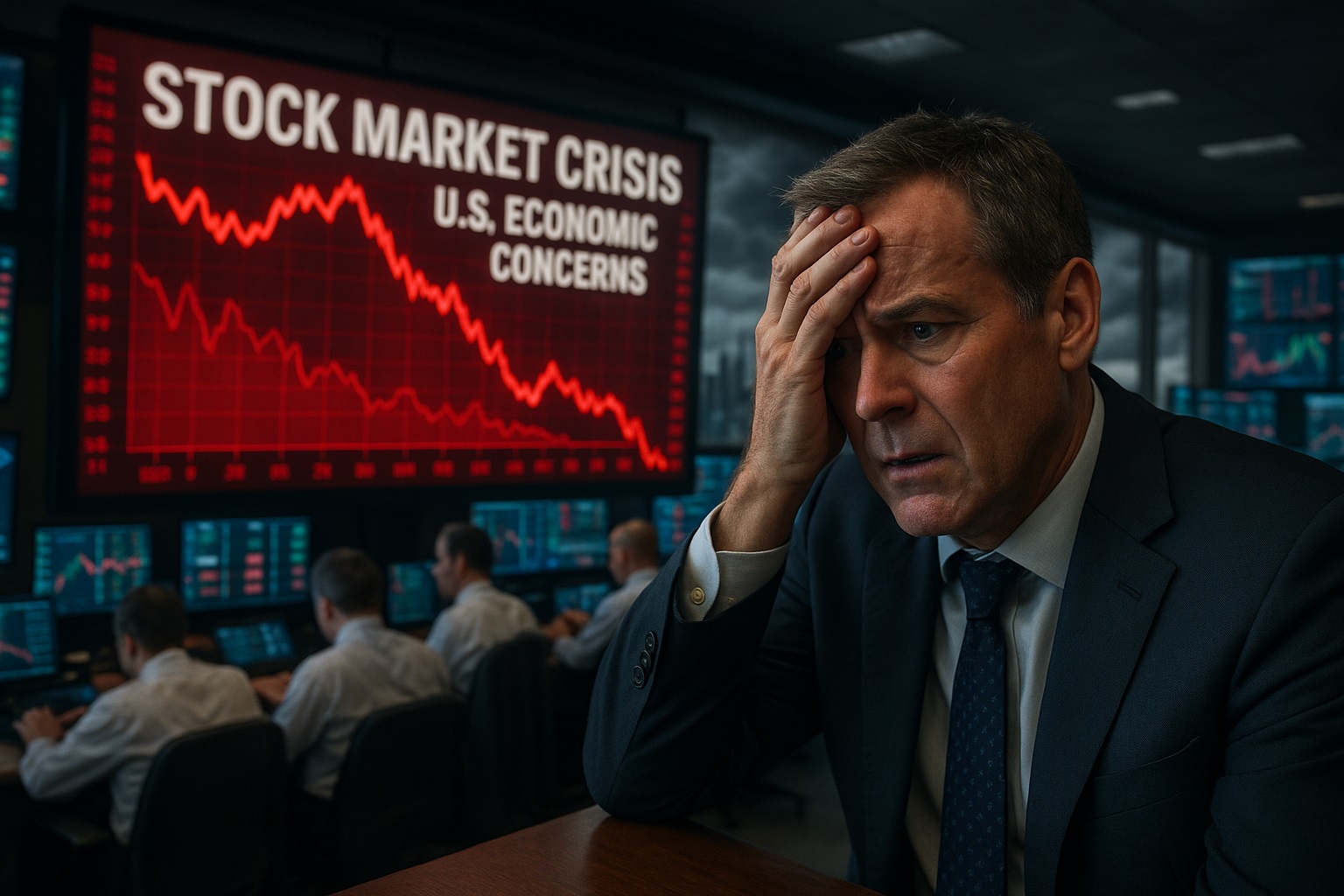
Economic warning signs in the U.S. are growing stronger as economists Warn of Looming Stock Market Crisis, according to a recent analysis by a leading economist. With several macroeconomic indicators deteriorating, concerns are mounting over a potential stock market correction. Investors are being urged to proceed with caution as the landscape continues to shift.
Economic Red Flags
There are multiple factors contributing to heightened market anxiety:
- Stretched stock valuations even as corporate earnings weaken
- Consumer sentiment on the decline
- Persistently high inflation, particularly in core categories
- Slower-than-expected GDP growth for early 2024
- A sluggish labor market with reduced job postings
The Federal Reserve has maintained elevated interest rates in response to inflationary pressures. This has created further strain on business investment and consumer spending, both of which are crucial for ongoing economic growth.
Market and Earnings Concerns
Investor confidence is taking a hit. The CBOE Volatility Index (VIX) is rising, and the yield curve remains inverted — both traditional precursors to economic downturns. Moreover, companies offering earnings guidance are now issuing cautious projections under the looming threat of the Stock Market Crisis for the latter half of 2025, citing shrinking margins and uncertain demand.
Even with stock indices like the S&P 500 and Nasdaq near record levels, a narrower group of equities is driving the gains. This divergence suggests underlying weakness in overall market strength.

Sector and Global Pressures
Several economic sectors are cooling off:
- Manufacturing and housing activity have both slowed
- High mortgage rates are reducing home buying
- Small business optimism and regional growth are uneven
International dynamics aren’t helping either. Weak economic performance in China and Europe are adding fuel to the already raising flames of Stock Market Crisis, along with ongoing geopolitical tensions, increases risk for U.S. multinational firms already facing tightening margins.
Also Read :
Trumps new tariff Plan: A Boon or Curse – Impact on Pharma, Furniture & Trade 2025
Consumer Stress
American households are struggling with mounting debt and the return of student loan repayments. Credit card and auto loan delinquencies are on the rise. Consumer confidence surveys reflect anxiety over multiple issues including job prospects and inflation.
Investment Strategy Amid Uncertainty
Given these risks, the economist recommends a more defensive portfolio stance. Suggestions include:
- Reducing exposure to high-volatility sectors
- Increasing holdings in defensive sectors like utilities, healthcare, and consumer staples
- Allocating assets to short-term government securities for better risk-adjusted returns
Although no definitive signal marks the top of a market, the combination of choppy indicators, cautious corporate guidance, and persistent inflation increases the likelihood of a pullback.
Final Outlook
Investors are advised not to panic as this Stock Market Crisis might not last long, but to stay informed and avoid overly optimistic assumptions in the short term. Key data releases in the coming months — including inflation rates, job reports, and corporate earnings — will serve as crucial indicators of where the market is headed.
For more information, view the full article here.